What We Do

Services

Every job below starts with the same base prep, whatever's going on top of it.

HomeServices

Everything we take on

Every job below is one we do ourselves across Santa Ana.

Concrete Driveways

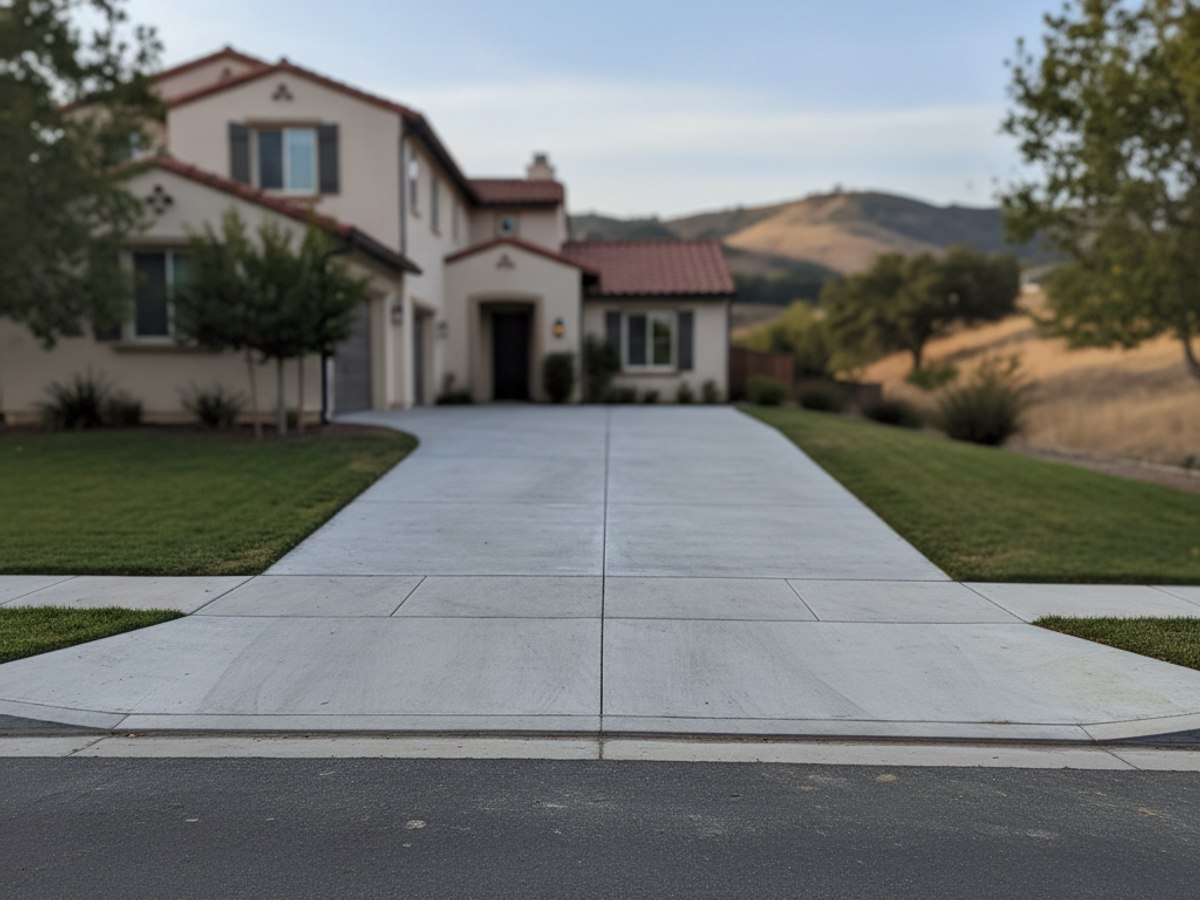
We form, reinforce and pour driveways sized for daily use, including full-size trucks and RVs. Base compaction and rebar placement matter more here than almost any other job, since a driveway takes the most weight and the most weather.

Concrete Patios

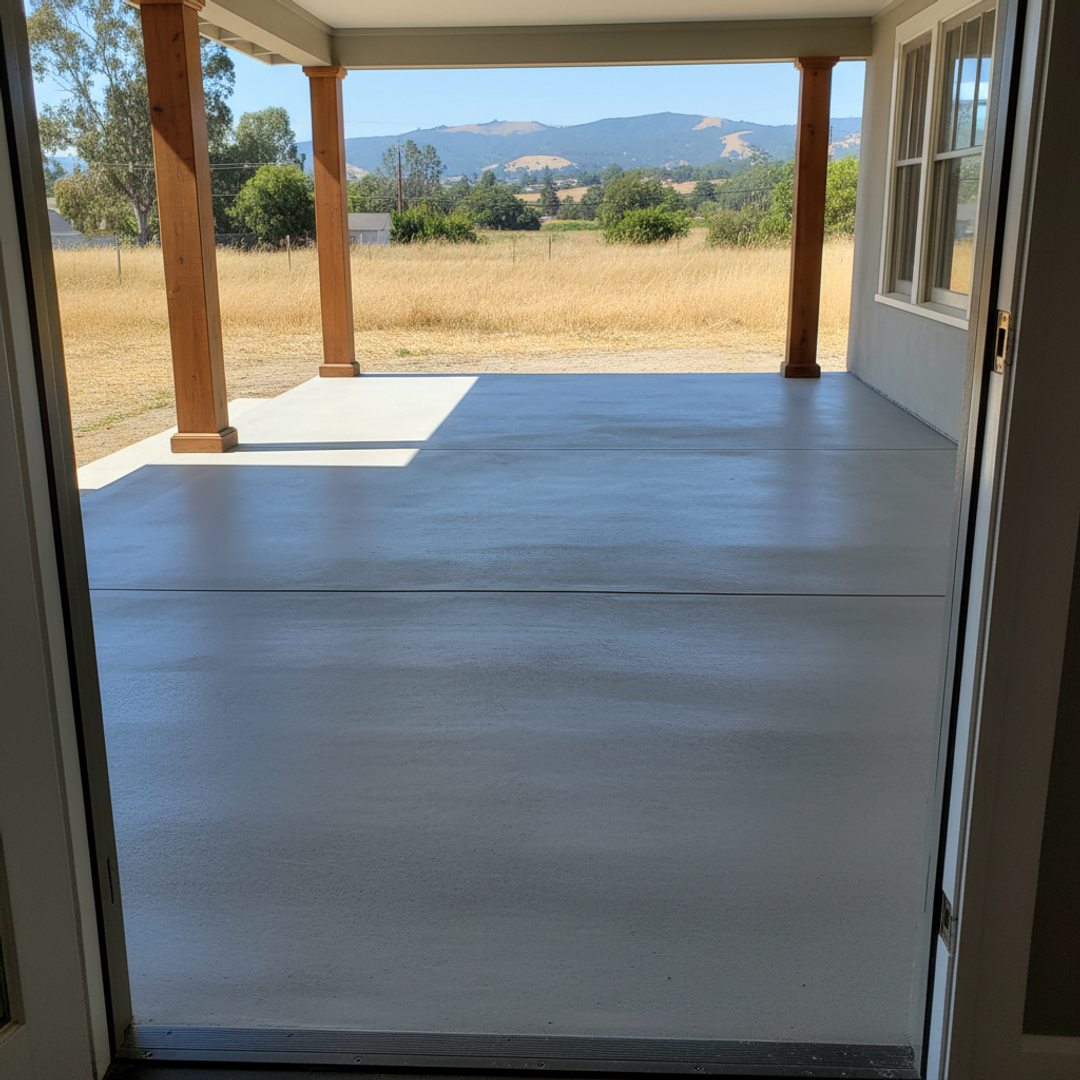
Patio slabs get a broom or stamped finish and a slope built in so water runs away from your foundation. We size control joints to the slab dimensions so cracking, when it happens, follows the joint instead of running through the middle.

Stamped Concrete

Stamped concrete gives you the texture of flagstone, brick or slate without the joints where weeds and ants get in. We seal it after curing so the color and pattern hold up under UV and foot traffic.

Concrete Repair

Cracked, sunken or spalling concrete usually points to a base or drainage problem, not just old age. We cut out and replace the failed section, or mudjack a sunken slab back to level, depending on what's actually wrong underneath.

Concrete Slab Foundations

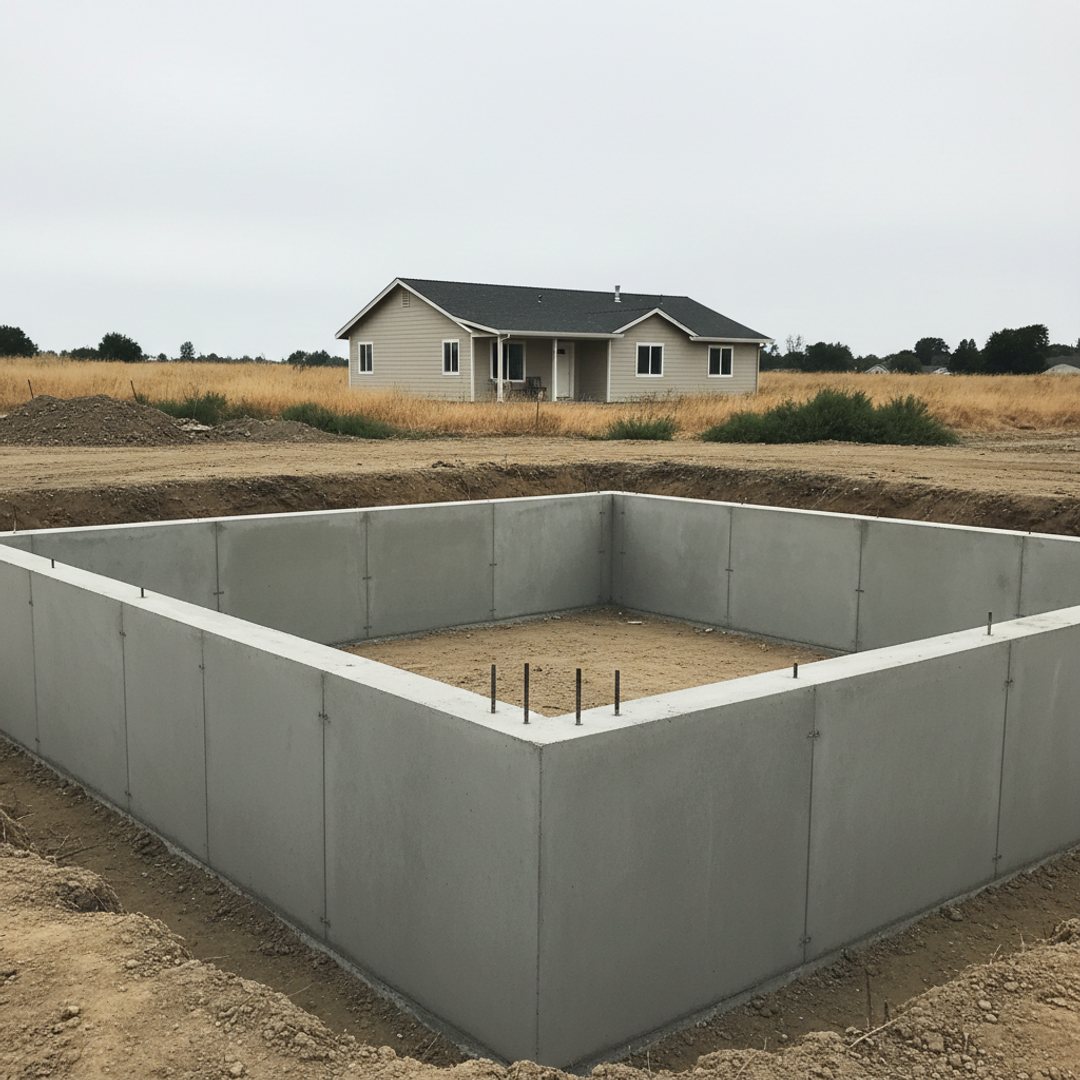
Sheds, garages, additions and equipment pads all need a flat, properly reinforced slab rated for the load going on top of it. We check grade and drainage before forming so the slab doesn't end up collecting water against a wall.

Concrete Walkways

Walkways get poured with enough slope to shed water and a broom finish for grip when it's wet. We match expansion joints to existing hardscape so the new concrete doesn't fight the old.

Stamped & Colored Concrete Overlays

If your existing slab is sound but ugly, a resurfacing overlay covers it with a new stamped or colored finish for less than a full tear-out. It only works if the base slab isn't cracked or heaving, so we check that first.

Concrete Steps & Porches

Steps and porch slabs need tighter tolerances than a driveway, since uneven risers are a trip hazard people notice immediately. We form these to code height and depth and tie them into the existing foundation properly.

Retaining Walls & Concrete Curbing

Short retaining walls, curbing and mow strips get poured with drainage behind them so water pressure doesn't push the wall out over time. We size the footing to the wall height, not a standard depth regardless of the job.

Concrete Removal & Demolition

Old, cracked or heaved concrete has to come out before anything new goes in, and we saw-cut and haul it rather than just breaking it up and leaving chunks. We also check what's underneath, since a bad base is often why the old slab failed in the first place.

How It Works

Four steps, and no surprises in any of them.

01

We come and look

You tell us what you want doing, we look at what is actually there, and we ask the awkward questions early.

02

You get a price

In writing, itemised, free. If something might add cost later we flag it now rather than at the end.

03

We do the work

Same crew throughout. We cover your floors, keep the dust down and tidy up before we leave each day.

04

We walk it with you

You point out anything you are not happy with and we fix it before the invoice, not after.

Where We Work

All of this, across Santa Ana, CA

Coverage area for driveway, patio, and slab work.

Santa Ana, CA
Anaheim, CA
Irvine, CA
Huntington Beach, CA
Garden Grove, CA
Fullerton, CA
Orange, CA
Costa Mesa, CA
Westminster, CA
Newport Beach, CA
Tustin, CA
Fountain Valley, CA
Common Questions

Things worth asking

Questions that come up once a project is actually underway.

Do I need a permit for a new driveway or patio?
Most Orange County cities require a permit for new concrete slabs over a certain size, including driveways, and pulling those permits is part of the job. Smaller repairs or replacements of existing slabs sometimes fall under an exemption, depending on the city.
How long does a typical concrete pour take?
Forming and site prep usually take a day or two depending on the size of the area, the pour itself is done in a single day, and the slab needs about 24 to 48 hours before it can be walked on. Full strength for driving a vehicle on it takes closer to 7 days, longer in cold weather.
Can concrete work be scoped to a set budget?
Yes, slab size, finish type, and reinforcement can all be adjusted to fit a budget, and a plain broom finish costs less than a stamped or colored one. The honest tradeoff is usually between square footage and finish, so cutting one to afford the other is a normal conversation to have upfront.
What kind of guarantee comes with concrete work?
Workmanship is guaranteed against defects in the pour and finish, separate from the concrete supplier's own material warranty. Cracking within normal control joints is expected behavior for concrete and isn't a defect, but cracking outside the joints or sinking is covered.
Who handles communication during the job?
One point of contact handles scheduling and questions throughout a concrete project, so there's no chasing down a different person for updates. The same crew that forms the job typically finishes it, rather than rotating in different workers mid-project.
Can I stay in my house during a driveway or patio replacement?
Living in the house during a concrete replacement is normal, though the driveway or affected area will be unusable for several days while it cures. Parking arrangements are worth discussing ahead of time if the only driveway access is being replaced.
What do I need to do to prepare the site before work starts?
Clearing vehicles, furniture, potted plants, and anything stored on the area being poured is the main prep needed before a concrete crew arrives. Sprinkler lines and low-hanging branches near the work area are worth pointing out ahead of time too.
What happens if something unexpected turns up mid-job?
Removing old concrete sometimes reveals a broken irrigation line, poor soil compaction, or an old root system underneath, and any of those get flagged before the new pour goes in. Addressing that extra work usually adds to the timeline and cost, and it's discussed before proceeding rather than after.
What materials are used for reinforcement in a concrete slab?
Rebar is used on driveways, foundations, and anything bearing significant weight, since it holds a slab together better than wire mesh when soil shifts. Wire mesh is sometimes used on lighter-duty areas like walkways, though rebar is the stronger option in most residential jobs.
How should new concrete be cared for after it's poured?
New concrete shouldn't be driven on for about 7 days and should be kept damp or covered for the first few days to cure properly. Sealing every couple of years, especially on driveways and patios, helps resist staining and surface wear.

Not sure what you need?

Describe the problem and we will tell you what it probably is. No obligation.
Call (714) 582-1939